




Used Oil Analysis: A Sampling Checklist for Maintenance Buyers
Published and reviewed by NISHIMOTO Lubricants. This buyer guide supports commercial evaluation and does not replace the current product TDS, equipment manual or destination-market requirements.
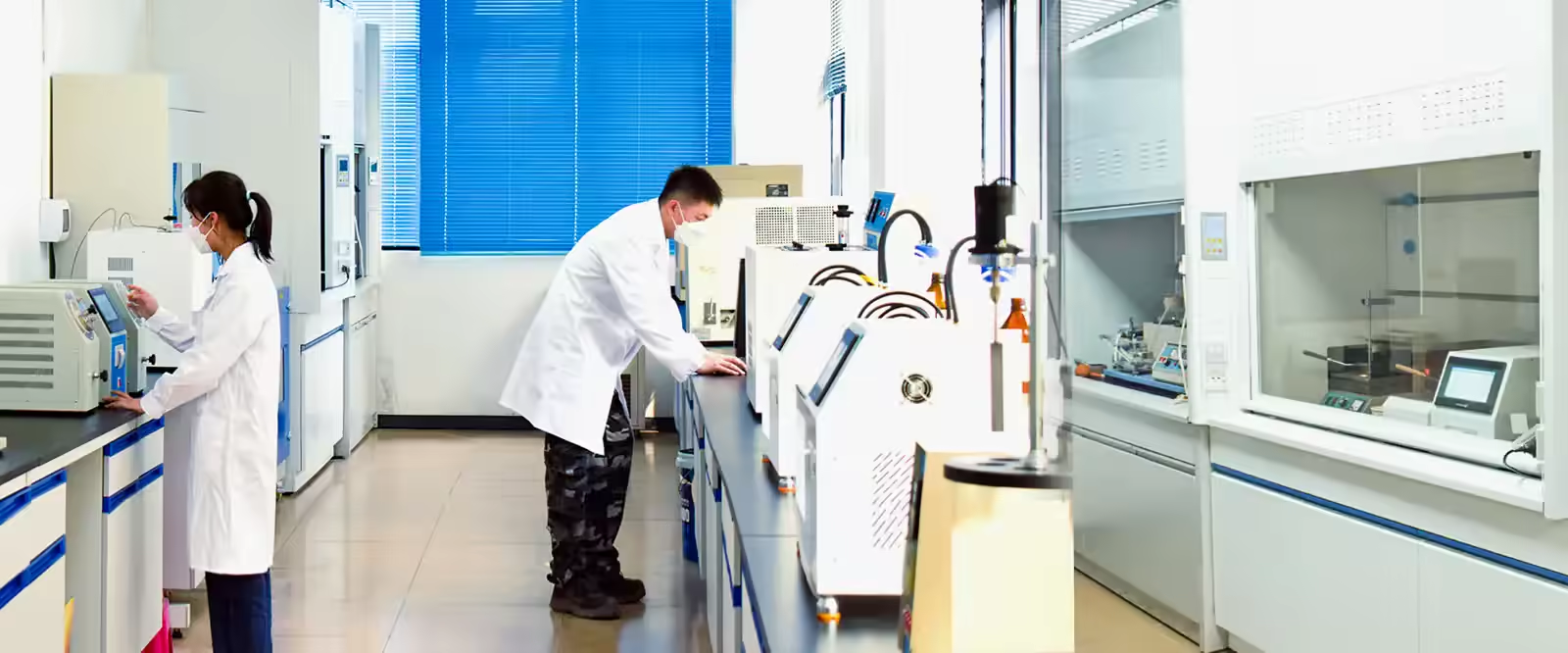
A laboratory result is easier to interpret when the sample is linked to the correct equipment, lubricant, operating hours and maintenance question. An unlabelled bottle or a sample taken from an inconsistent point can limit the value of the analysis.
This checklist is for planning a discussion with a technical service provider. Confirm the test scope, sample container, sampling procedure and interpretation method before collecting or sending oil.
Record the equipment context
- Asset, component and equipment model
- Lubricant brand, product and viscosity
- Oil hours, equipment hours and top-up history
- Operating conditions and recent maintenance
Use a repeatable sampling point
Follow the equipment and laboratory instructions for a representative sample. Record the sampling point, date, method and whether the machine was operating, recently stopped or cold. Consistency supports comparison with earlier samples.
State the maintenance question
- Routine condition trend
- Suspected contamination
- Wear or abnormal operation
- Oil-drain or lubricant-change review
Review results in context
A single value should not be interpreted without the lubricant, equipment, operating history, test method and trend. Escalate abnormal findings through the appropriate technical and maintenance process before making operational decisions.
Frequently asked questions
Can any clean bottle be used for a sample?
Confirm the required sample container and procedure with the laboratory or service provider before collection.
Why record oil and equipment hours?
The service history helps relate results to lubricant age, equipment use, top-up and maintenance events.
Is one test result enough to set a drain interval?
Do not rely on one isolated value. Use the applicable technical guidance, operating context and trend data when available.